

The holiday season is a special time in long-term care facilities — a time of decorations, family visits, and joyful gatherings that bring light and warmth to residents and staff alike.
But as festive as the season can be, it also presents unique challenges for maintaining resident safety and well-being.
Amid the extra activities and colder weather, it’s easy for something as small as foot care to slip down the priority list. Yet healthy feet are at the foundation, quite literally, of resident mobility, comfort, and quality of life. This is especially true during the winter months, when poor circulation, dryness, tight shoes, and reduced activity can lead to complications that affect more than just the feet.
As podiatry professionals who provide quality podiatric care to nursing homes and assisted living residents year-round in Florida and Illinois, we see firsthand how proactive foot care during the holidays helps prevent avoidable setbacks and supports your facility’s goals for comfort, safety, and satisfaction.
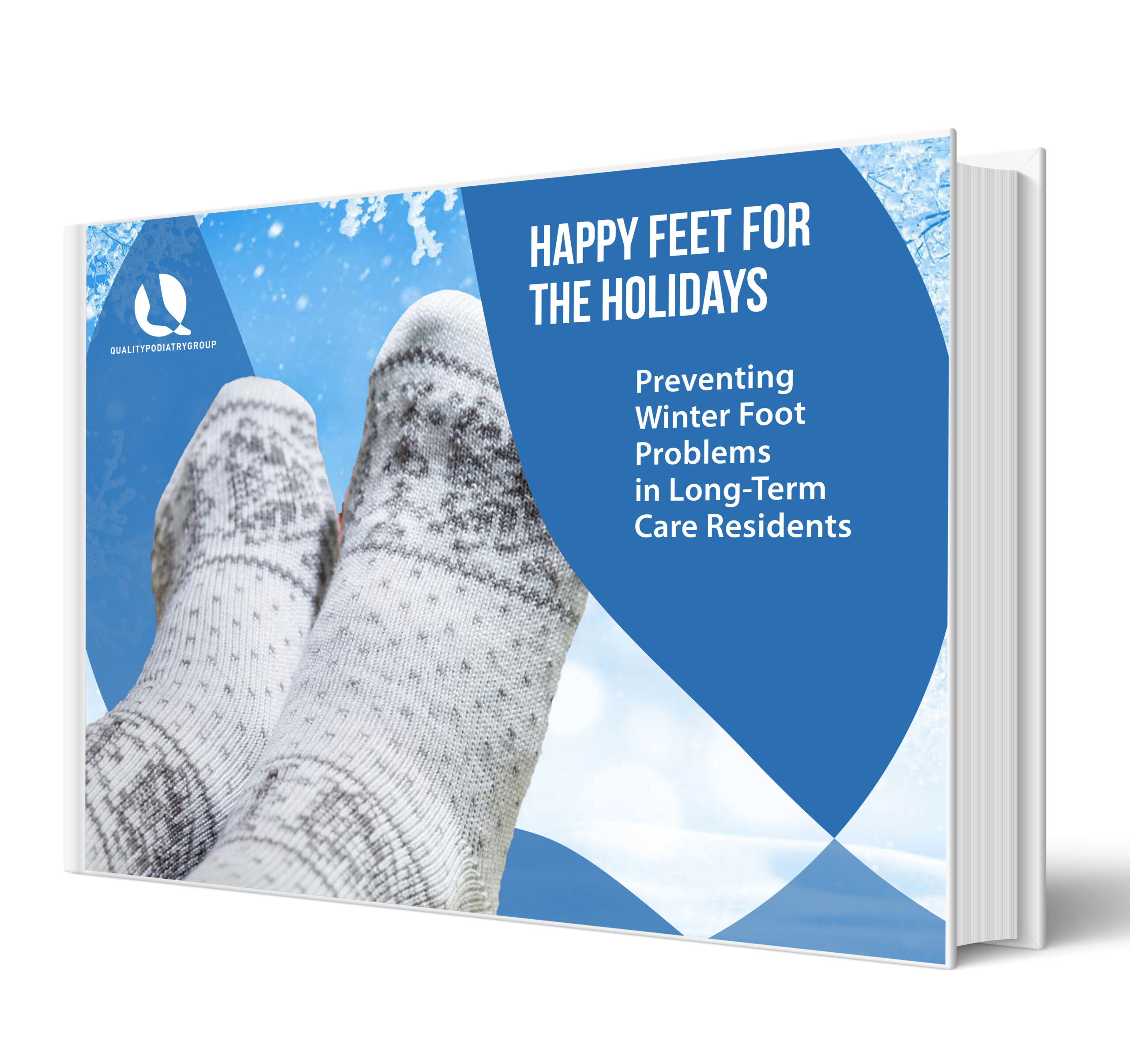
Happy Feet for the Holidays: Preventing Winter Foot Problems in Long-Term Care Residents
Essential Foot Care Tips for the Holiday Season
Why Foot Care Deserves Extra Attention During the Cold Weather Months
Cold weather can have a surprising impact on the feet, especially for older adults and individuals with diabetes, neuropathy, or vascular disease. Reduced circulation makes it harder to keep feet warm and heal from even minor injuries. Residents who spend more time indoors and are less active may also experience swelling or pressure injuries.
In long-term care facilities, even minor foot issues can escalate quickly, turning into infections, ulcers, or mobility problems that impact independence and overall health. This is especially concerning when staffing is stretched thin or when holiday activities add to the daily workload.
By recognizing the seasonal risks early, facility staff can work hand in hand with podiatry providers to prevent problems before they start.
The result? Healthier residents, fewer complications, and more peace of mind for everyone involved.
5 Common Foot Challenges for Residents in Long-Term Care Facilities During the Winter Season
Let’s take a closer look at some of the most common issues podiatrists see during the colder months (even in Florida), and what your staff can do to help residents stay on their feet comfortably.
1. Dry, Cracked Skin
The combination of indoor heating and cold outdoor air can cause skin to become dry and brittle. For residents with diabetes or vascular compromise, even small cracks can become portals for infection.
Tip: Encourage the use of gentle, fragrance-free moisturizers on tops and bottoms of the feet (but not between the toes, where excess moisture can promote fungal growth). Staff should report any skin breakdown or redness immediately.
2. Cold, Poorly Circulated Feet
Many residents already experience reduced blood flow, which worsens in colder temperatures. Cold feet can signal poor circulation, increasing the risk for wounds or injuries.
Tip: Ensure residents wear properly fitted socks made of breathable, warm materials — not too tight at the ankles, and keep their feet covered when seated or in bed. Avoid space heaters or hot water bottles, which can cause burns in residents with neuropathy.
3. Swelling and Edema
Reduced mobility during the holidays, whether from fewer therapy sessions or more sedentary time indoors, can contribute to swelling in the lower extremities.
Tip: Encourage gentle movement and range-of-motion exercises where possible, and elevate feet periodically to promote circulation.
4. Improper Footwear and Festive Slippers
Everyone loves a cozy pair of holiday slippers, but not all seasonal footwear is created equal. Loose or non-supportive slippers increase the risk of falls and trips.
Tip: Check that footwear has a non-slip sole, a secure fit, and enough room for orthotics or compression garments if needed. Avoid slippers without heel support.
5. Fungal and Nail Issues
Closed shoes, socks, and reduced foot inspections during busy periods can allow fungal infections to flourish. Thickened, discolored toenails are not just cosmetic; they can press into adjacent toes and cause ulceration.
Tip: Make foot inspections a routine part of daily care and alert the nursing staff/on-call podiatrist to any changes in color, odor, or texture.
The Ripple Effect of Foot Health
Foot health is about much more than preventing pain. For long-term care residents, it affects mobility, balance, and even mood. A resident who can walk comfortably to a holiday meal or participate in a seasonal singalong is not just physically better; they’re emotionally uplifted and socially engaged.
On the flip side, foot discomfort can lead to decreased participation, reduced independence, and a cascade of physical decline. Infections and falls related to untreated foot problems can trigger hospitalizations, disrupt holiday plans, and impact facility quality measures.
That’s why foot care isn’t just a resident concern; it’s a system-wide priority. Podiatry services directly support key outcomes valued by facility administrators, directors of nursing, wellness coordinators, and regulatory agencies, from fall prevention and wound care to resident satisfaction scores.
Staff’s Role: The First Line of Defense
The staff in your nursing home or assisted living facility plays a crucial role in maintaining healthy feet, especially when podiatry visits are scheduled monthly or bi-monthly. You are the eyes and ears between appointments, and your observations can make all the difference.
Encourage staff to:
- Inspect feet regularly. During dressing changes, bathing, or lotion application, take note of redness, swelling, or open areas.
- Report early changes. Don’t wait for a minor issue to worsen. Prompt communication allows podiatry providers to intervene early.
- Encourage mobility. Even brief, assisted walks can boost circulation and prevent edema.
- Promote proper footwear. Remind residents and families that slippers should have good traction and fit securely.
- Partner with podiatry. View your facility’s podiatrist as part of your extended care team, a resource for education and prevention, not just treatment.
Proactive Podiatry: A Gift That Keeps Giving
Routine podiatry care offers more than just toenail trimming. A skilled podiatrist identifies potential issues early, from vascular changes to neuropathic ulcers, and helps staff manage ongoing risks.
For administrators, regular podiatry services mean fewer emergency transfers, improved wound care metrics, and better compliance with state and federal quality standards. For residents, it means comfort, dignity, and a better quality of life.
During the holiday season, when everyone is focused on giving, consistent foot care is one of the most meaningful gifts a facility can offer its residents: the gift of mobility, independence, and confidence.
In Step with the Season
As the holidays bring joy and connection to your facility, remember that every step a resident takes — to a family visit, a singalong, or the dining room — depends on healthy feet.
By giving foot care the attention it deserves, staff help residents experience the season with comfort and confidence.
When facilities, caregivers, and podiatry professionals work together, we ensure that the holidays are not only merry and bright, but also safe, mobile, and full of “happy feet.”
Partner with Quality Podiatry Group for Year-Round Foot Care Excellence
At Quality Podiatry Group, we’re proud to partner with long-term care facilities year-round to keep residents mobile, comfortable, and thriving.
📞 Contact us to learn more about how our on-site podiatry services can support your team this holiday season and beyond.
Best wishes for a Happy Hanukkah, Merry Christmas and a Happy New Year!